
Free Fire Gameplay Tips: How to Improve Your Aim, Movement, and Survival
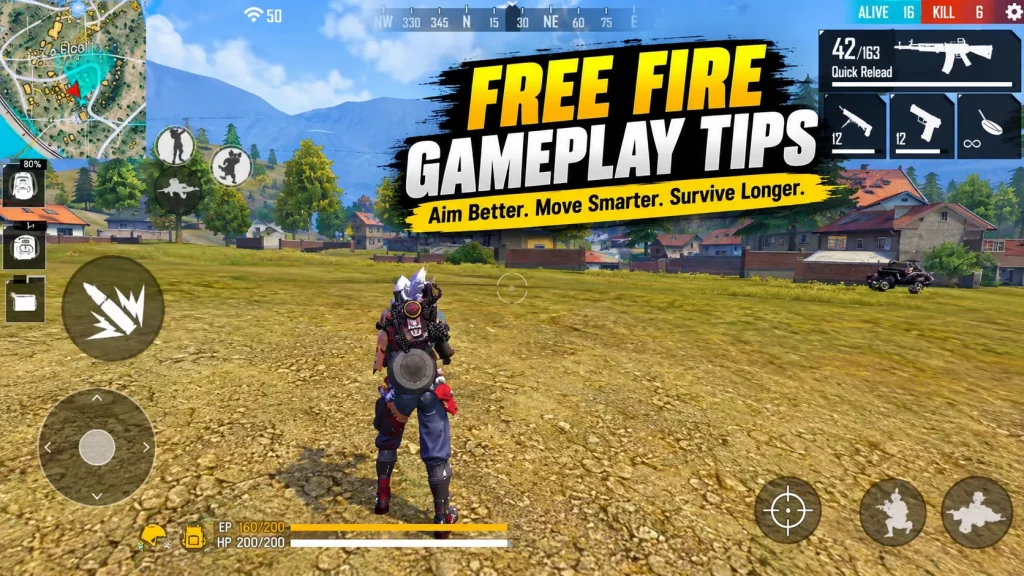
If you want to win more Free Fire matches, work on three things first: safe positioning, early rotation, and skipping fights you don’t need. Aim matters, but most players lose because they were standing in the wrong place at the wrong time. This guide takes you from landing to the final zone and explains each decision.
What Actually Improves Your Gameplay?
- Keep your crosshair near head level before enemies appear.
- Find cover before you shoot, not after you get hit.
- Check the minimap every few seconds and move before the zone forces you.
- Change one setting at a time, then play enough matches to judge it.
- Pick a single goal for each session instead of fixing everything at once.
How to Play Free Fire as a Beginner
Free Fire is a mobile battle royale from Garena. You drop onto the map, loot weapons and gear, stay inside the shrinking safe zone, and try to be the last player or squad alive. Battle Royale is the main mode. Clash Squad is a round-based 4v4 mode with an in-match economy, and it is a great place to sharpen your fights.
Spend your first sessions on the basics:
1. Learn your HUD.
Know where fire, jump, crouch, and scope buttons sit without looking.
2. Land with a plan.
Busy towns have fast loot and fast deaths. A quieter edge spot is slower but lets you gear up in peace.
3. Loot before you fight.
A weapon, some healing, and armor are the minimum.
4. Watch the zone.
The match is a clock. The circle decides where everyone ends up.
10 Free Fire Tips That Make a Real Difference
1. Keep your crosshair at head level.
Flicking up from your feet wastes the half second that decides a duel.
2. Fix your HUD.
If your thumb can’t reach a button comfortably, you will miss it in a real fight. Adjust the layout until nothing feels stretched.
3. Use Training Mode.
It’s boring compared to a ranked match, but ten calm minutes there beats a rushed round where you die in the first minute.
4. Take cover before you engage.
Shoot from behind something, then reposition. Standing in the open to trade shots usually ends badly.
5. Know when to leave.
Not every fight is worth taking. If you’re low on health with no cover, backing off is a good play, not a coward’s play.
6. Listen.
Footsteps, gunfire, and vehicles tell you where the danger is. Headphones help a lot here.
7. Check the minimap before rotating.
It’s quick, and it saves you from running straight into someone you could have avoided.
8. Manage healing and supplies.
Don’t heal in the open. Don’t enter the late circle with nothing in your pack.
9. Talk to your squad.
Short calls like “one enemy, left building” work better than long speeches.
10. Review your deaths.
After each loss, ask one question: what was the actual mistake? Usually it’s position, not aim.
How to Improve Aim and Headshot Accuracy
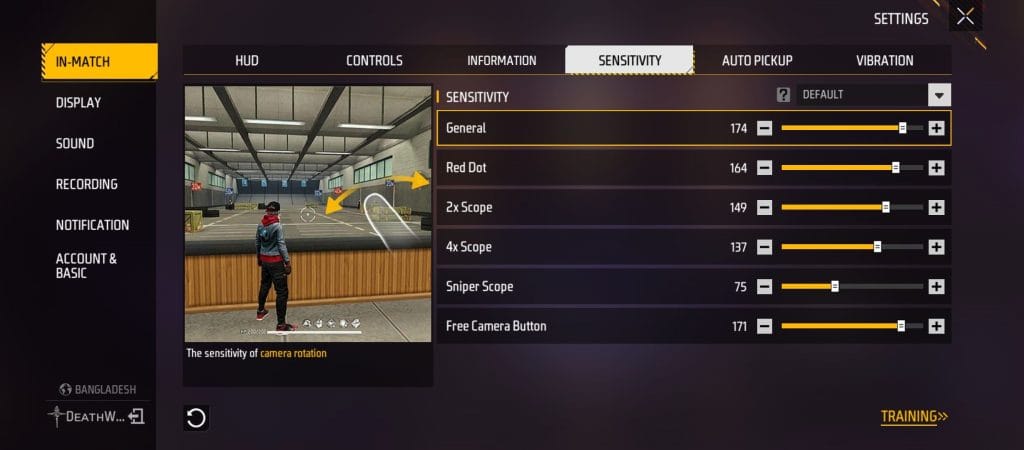
Most missed shots come from panic, not from bad reflexes. When you see an enemy and start flicking wildly, your crosshair never settles.
Sensitivity:
Start with a setting that feels controlled rather than fast. If you overshoot targets, lower it a little. If you can't turn quickly enough, raise it slightly. Phone size, finger size, and play style all change what works, so copying a creator's numbers exactly isn't always smart. Use them as a starting point, then adjust.
Fire button and layout:
Many players prefer a larger or better placed fire button so they can shoot while moving their aim. Try a layout in Training Mode first and keep it only if it feels natural.
Drag headshots:
The idea is to drag your aim upward as you fire so the crosshair lands on the head. It takes practice and the timing varies by weapon and sensitivity. Train it against stationary targets before using it in matches, and don't expect it to click in one night.
A repeatable routine:
Warm up with the same short drill each session. Track one thing, such as how many shots land on the head at close range. Consistency tells you more than a single good day.
Best Free Fire Settings for Smoother Gameplay
Settings are personal, so I’ll keep this practical.
- Sensitivity: Test in Training Mode, then in a normal match. Keep notes if you tend to forget.
- HUD: Put the buttons you use most (fire, jump, crouch) within easy thumb reach.
- Graphics: If your phone struggles, pick the option that keeps the frame rate steady over the one that looks prettiest. A smooth game is more useful than a beautiful one.
- Lag: Frame drops and network lag are different problems. Stuttering visuals point to the device. Delayed actions and rubber-banding point to your connection.
- One change at a time. If you change sensitivity, HUD, and graphics together, you won't know which one helped.
How to Survive Longer in Battle Royale
Landing:
Choose a spot that matches your goal. Hot drops are fine when you want fights. If you want rank points, a calmer landing with a bit of loot is the more reliable path.
Looting:
Grab a weapon, armor, healing, and Gloo Walls first. Skip items you won't use. Wandering between buildings for the perfect attachment is how players get caught.
Rotation:
Start moving before the circle closes in. Late rotations push you into open ground where everyone has a clear shot at you.
Cover:
Walls, rocks, and buildings do more for you than most gear. Use them to break line of sight, heal, and reset.
Final circle:
Be patient. Hold a position with cover, keep healing items for the end, and let others fight each other first. The final zone rewards calm players.
Movement and Positioning
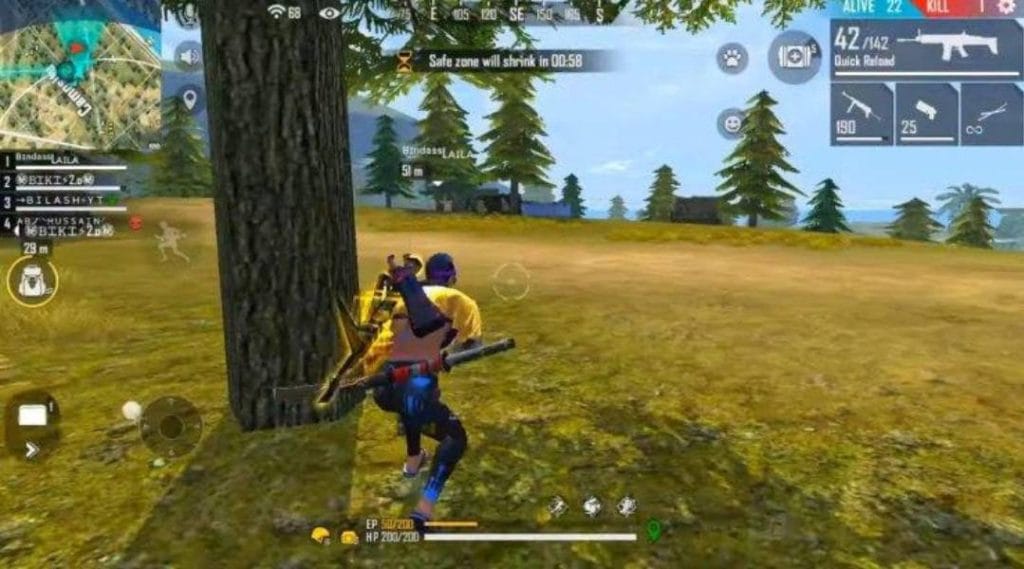
Good movement means you are hard to hit and hard to predict. Practice strafing, jumping, and quick direction changes in training until they feel automatic. Don’t strafe in a predictable left-right rhythm, because experienced players will track it.
Stay out of wide open ground. High ground helps, but only if you still have cover nearby. A rooftop with no protection is just a target.
Before any fight, know where you would retreat. If you’ve stayed in one spot for too long, assume someone has noticed it and move.
Character and Skill Combinations

Characters and their abilities get balance changes in updates, so always check the in-game character screen for current numbers before building a combo. Here is how to think about them without relying on exact stats:
- Active vs passive: Active skills need a button press and have a cooldown. Passive skills just work in the background.
- Match your role: A support style might use healing or protection. A mobile style might favor speed and escapes.
- Examples: Alok His Party Remix ability creates an aura that increases movement speed and restores HP. Teammates can also gain the effect by collecting the music notes he drops. K His Master of All ability lets him switch between Jiu-jitsu and Psychology modes, affecting EP conversion and recovery. Chrono His Time Turner ability creates a force field that blocks incoming enemy damage while allowing players inside to fire outward.
- Pick for the mode. What suits Battle Royale may not suit Clash Squad.
Weapons, Loadouts, and Gloo Walls
Think in ranges. Carry something you can use up close and something that can still work at a distance. Learn recoil and reload timing on your favorite weapons instead of swapping constantly.
Gloo Walls are your instant cover. Use them:
- When you're caught in the open.
- While healing or reviving a teammate.
- To create a safer path between buildings.
Don’t box yourself in so tightly that you can’t escape, and keep a few in reserve for later in the match.
Clash Squad and Ranked Tips
Clash Squad:
Understand the economy before you spend. Coordinate buys with teammates so the squad isn't carrying mismatched gear. Stay near your team and avoid isolated fights against several enemies. If you lose a round, adjust your plan rather than repeating it.
Ranked:
Rules and scoring can change between seasons, so check the current ranked system in the game. In general, steady play wins over reckless play: rotate early, avoid pointless early fights, and balance survival with eliminations. When you drop rank points, look back at why it happened.
Common Mistakes and How to Fix Them
| Mistake | Why it happens | Fix |
|---|---|---|
| Landing in crowded spots with no plan | Chasing fast action | Pick a landing spot based on your goal. |
| Fighting before looting | Impatience | Get a weapon, armor, and healing items first. |
| Changing settings constantly | Searching for a quick fix | Change one setting at a time and test it over several matches. |
| Ignoring the minimap and sound | Tunnel vision | Check the minimap regularly and use headphones when practical. |
| Healing in the open | Panic | Use a Gloo Wall or nearby cover before healing. |
| Chasing kills outside the zone | Greed | Prioritize the safe zone and move according to the circle. |
Playing on a Low-End Device
Pick graphics settings that hold a steady frame rate. Close apps running in the background. Check your connection before important matches, and remember that frame drops and network lag need different fixes. Test any change in a normal match before you rely on it in ranked.
A Simple Daily Practice Routine
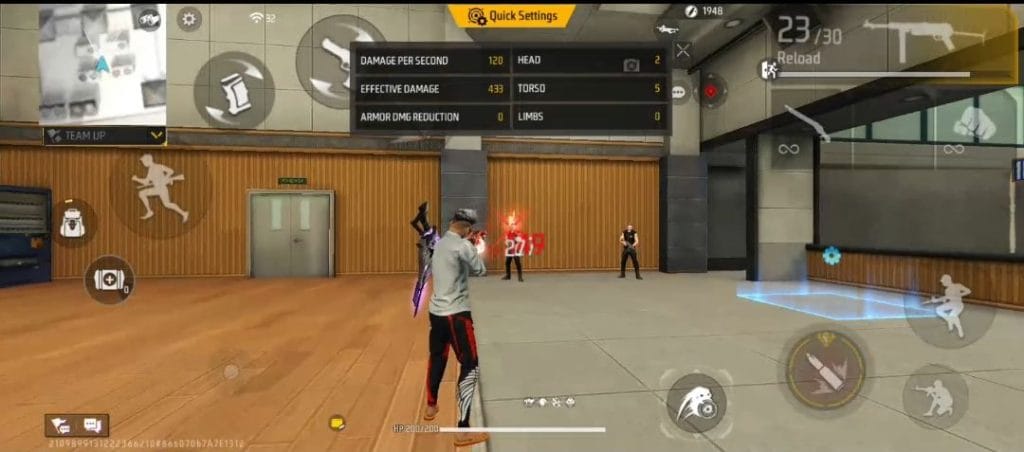
- Warm up your aim in Training Mode for a short session.
- Practice movement and cover placement.
- Play matches with one specific goal, like "rotate earlier" or "use Gloo Walls before healing."
- Review your biggest mistake after each session.
- Keep variables low. If you change everything, you won't learn anything.
Frequently Asked Questions
How can I improve as a beginner?
Learn your controls, land with a plan, loot essentials, and stay inside the zone. Don’t worry about fancy aim tricks yet.
How can I improve headshot accuracy?
Keep your crosshair at head level and practice drag timing in Training Mode with settings you’ve stopped changing.
What should I practice first?
Crosshair placement and cover usage. They improve fights faster than almost anything else.
How do I survive longer?
Rotate early, use cover, and avoid fights that give you nothing.
How can I reduce lag?
Lower graphics settings if the frame rate drops, and check your connection if actions feel delayed.
Which settings should I change first?
Sensitivity and HUD layout, one at a time.
How often should I practice?
Short, regular sessions beat one long weekend grind. Fifteen focused minutes a day is a fair start.
Final Checklist Before Your Next Match
- Controls and performance settings feel right.
- You have one clear goal for this match.
- You'll prioritize position, information, and survival over a quick kill.
- When it ends, you'll pick one decision to improve and carry it into the next game.