
Free Fire Pro Fighting Strategy: Fight Better | FFGamingZone
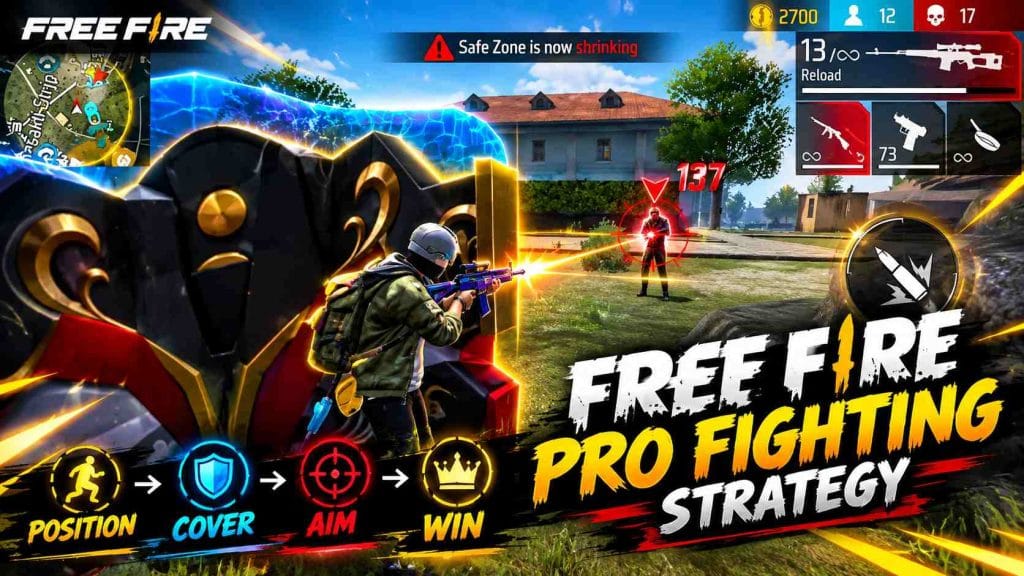
I’ve been playing Free Fire for a long time now, and in that time I’ve been through hundreds of ranked matches, customs, and clutch situations. I’ve lost a lot, and I’ve won a lot too. In this article I’m sharing what actually works and what doesn’t, straight from my own gameplay, not some copy paste theory. This is ground level stuff, learned the hard way.
Why Pro Fighting Strategy Matters More Than Aim in Free Fire
A lot of players spend hours grinding headshot practice and still lose fights. Why? Because aim gets your bullet on target, but strategy gets that bullet fired from the right spot at the right time. I’ve seen it so many times, a player with solid aim still dies because of one wrong decision. The real game is knowing when to fight and when not to.
What Makes Professional Players Different?
The gap between a pro and a normal player isn’t aim, it’s decision speed. A pro already has three or four possibilities lined up before the fight even starts. Even while checking loot, they’re thinking about zone, enemy count, and their escape route at the same time. A normal player only starts thinking “what now” after the fight is already over. A pro has that answer ready before it begins.
Common Mistakes Most Players Never Notice
Most players never spot their own mistakes because they only look at what happened, not why it happened. Someone dies and blames “no bullets landed,” when really they pushed from a bad angle. Bad cover timing gets brushed off as bad luck. That habit is exactly what keeps people from improving.
What is Pro Fighting Strategy?
Definition of Pro Fighting Strategy
Pro Fighting Strategy means treating every fight like it needs a plan, where position, timing, resources, and enemy behavior are all in your head at once. It’s not a fixed rulebook, it’s a mindset that adjusts to the situation.
Difference Between Normal Players and Pro Players
A normal player walks straight into a fight, switches guns, and starts shooting. A pro listens for sound first, checks gloo wall placement, and makes a call based on their own HP. One plays on reaction, the other plays on prediction.
Core Principles of Every Pro Fighter
Every top level player shares three things: position awareness, resource management (health, grenades, gloo walls), and emotional control. Without these three lined up, aim alone doesn’t do much.
Professional Fighter Mindset
Think Before You Fight
Take two seconds before you shoot and ask, “what’s my actual chance of winning this?” That one habit alone saves you from a lot of dumb deaths. Pros treat every engagement like a quick calculation.
Patience vs Aggression
Patience isn’t weakness, it’s control. When the timing isn’t right, waiting is the correct move. But when the enemy’s HP is low and you have the edge, patience just wastes time. Knowing which one to use, and when, is the real skill.
Confidence Without Overconfidence
Confidence gets your finger on the trigger, but overconfidence pushes you into risks you didn’t need to take. I’ve personally lost winnable fights just because I thought “I’ll easily take this one.” Respect every single fight.
Reading Your Opponent
Watch their movement, gun sound, and reload pattern and you can guess their next move. If they keep taking cover, their HP is probably low. If they push straight at you, assume they’ve got backup.
Situation-Based Fighting Strategy
Early Game Fighting Strategy
Taking unnecessary fights early game is a big mistake. This is the time to grab loot, learn positions, and read the zone. If a fight is unavoidable, keep it light and don’t burn resources.
Mid Game Fighting Strategy
By mid game the zone shrinks and fights get denser. Rotation timing matters most here. Before taking any fight, always check the chances of a third party showing up.
Late Game Fighting Strategy
Late game, every player left is experienced, so pushing randomly is risky. Collecting information first, how many teams are left, where the shots are coming from, should always be priority one.
Final Duel Fighting Strategy
Staying calm in the final duel is the hardest part of all. One mistake here can cost you the whole match. Gloo wall placement, healing timing, and your last bullet count are what decide the outcome.
Position-Based Fighting Strategy
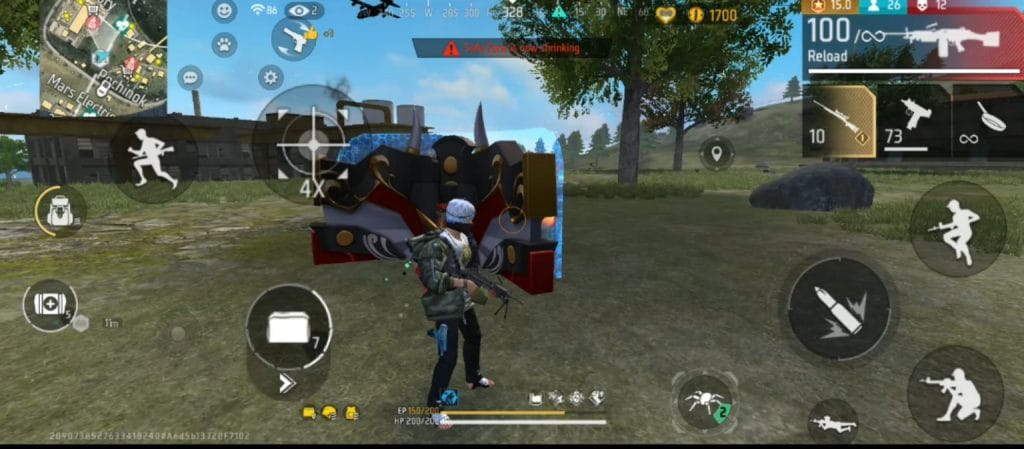
High Ground Position
Fighting from high ground gives you better visibility and makes you harder to spot. But there’s a catch, it’s tough to watch every direction at once from up there, so watch out for flanks.
Low Ground Position
Low ground gives you more cover but makes it harder to spot the enemy first. This is where sound and footsteps become your main source of information.
Open Field Position
Open field fights are the riskiest since there’s almost no cover. Movement, jumping, crouching, zig zagging, becomes your main defense. Avoid open field fights whenever you can.
Cover-Based Position
Fighting from cover, the peek and shoot technique is your best friend. Don’t sit behind the same cover too long, since the enemy will quickly learn that angle.
Building Position
Inside a building, watch both doors and windows. Grenades are especially useful here since they can force an enemy out of cover.
Rooftop Position
Rooftops give you the best vision but limit your escape routes. Before taking a fight up there, always have your retreat or knock down plan ready.
Cause & Effect Fighting Strategy
Why Players Lose Easy Fights
Most easy fights get lost the moment a player takes their advantage lightly. Pushing carelessly just because your HP is higher is the most common cause.
Common Causes of Losing Gunfights
Wrong gun choice, panic reloading, and a late gloo wall, these three cause most lost gunfights. Even one of these can flip the whole outcome.
How Small Mistakes Become Big Problems
Being one second late can lose you the entire fight. A gloo wall placed one second too late means one extra second of bullets landing on you. Never treat small mistakes as no big deal.
Smart Solutions Used by Pro Players
Pros adjust the moment a mistake happens, they don’t repeat it. After every fight they ask themselves, “what went wrong, what do I do differently next time.”
Situation → Completion → Resolution Strategy
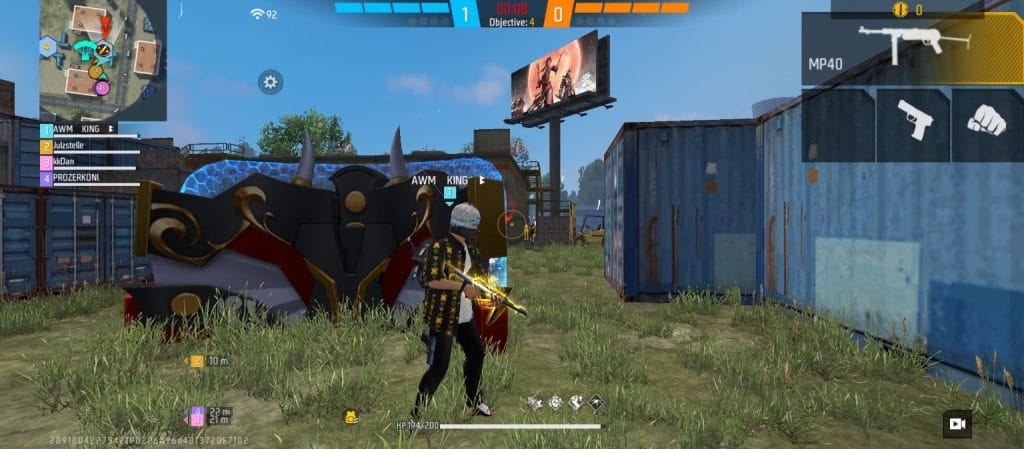
Situation: Enemy Pushes Aggressively
When an enemy keeps pushing hard, it means they either have confidence or backup.
Completion Strategy
Drop a gloo wall immediately, change your angle, and don’t give them the same line of sight twice. Breaking their push is priority one.
Resolution Strategy
Once their push is broken, counter push right away, since that’s when their rhythm is off and they’re most likely to make a mistake.
Situation: Multiple Enemies Attack
When more than one enemy comes at once, panicking is the biggest mistake you can make.
Completion Strategy
Target the closest threat first, and keep switching cover to find an angle where you can see them all.
Resolution Strategy
Once one is down, reposition immediately, since the rest already know your first location.
Situation: Enemy Has Better Position
Sometimes the enemy is on high ground or better cover and you’re at a disadvantage.
Completion Strategy
Don’t take the fight head on. Use smoke or a gloo wall to change your angle. Stay off aggressive until positions are even.
Resolution Strategy
Look for a way to flank, or fall back and make the enemy come to you. Patience does the work here.
Situation: Low HP During Fight
Continuing a fight on low HP is always risky.
Completion Strategy
Get to cover immediately, heal up, and reset the fight. Making an aggressive move at this point is a big mistake.
Resolution Strategy
Don’t re-engage until you’re fully healed, and keep distance so the enemy is the one who overextends.
Situation: No Utility Left
Fighting with no gloo walls or grenades left is the hardest spot to be in.
Completion Strategy
Use natural cover, rocks, trees, walls, and lean on movement, don’t stay static.
Resolution Strategy
Instead of dragging the fight out, commit to a decisive shot or make the call to retreat safely. Don’t get stuck in between.
Offensive Fighting Strategy
When to Push
Push when the enemy’s HP is low, their utility is used up, or you have a numbers advantage. Pushing without these conditions is basically gambling.
How to Pressure Opponents
Constant gun sounds and movement force the enemy into making decisions. The less time you give them to think, the more likely they are to slip up.
Creating Panic
A fake push, breaking their gloo wall out of nowhere, or shooting from an angle they didn’t expect all put an enemy into panic mode. A panicked enemy usually reloads at the wrong time or picks bad cover.
Forcing Enemy Mistakes
Don’t let the enemy sit in one spot, keep making them reposition. The more they move, the more likely they end up somewhere exposed.
Defensive Fighting Strategy
When Not to Fight
Outside the zone, bad position, or low on resources, that’s when skipping a fight is the smart call. You don’t have to win every fight, sometimes avoiding one is how you win the game.
Safe Repositioning
If your position breaks down mid fight, move to safety right away. This is where a smoke grenade earns its keep.
Resetting the Fight
Sometimes fully backing off and creating distance is the best call. It buys you time to heal and rebuild a plan.
Counter Attack Opportunities
Even while playing defensive, wait for the enemy’s mistake. The moment they overextend is your best window to counter.
Clutch Fighting Strategy
1v2 Strategy
In a 1v2, don’t face both at once. Use cover to split them apart, once you isolate one, the matchup gets a lot easier.
1v3 Strategy
In a 1v3, survival comes first. Use movement and sound to make them split up, then take the weakest angle first.
1v4 Strategy
A 1v4 is brutal. Skip the fight for a moment and move into a building or tight space so you’re not facing multiple angles at once.
Surviving Impossible Situations
When the odds look terrible, don’t panic, just focus on one small decision at a time. Even one safe move can flip the whole situation.
Psychological Fighting Strategy
Predicting Enemy Decisions
Watch the enemy’s past moves to understand their habits. Most players repeat the same pattern, catching that is your psychological edge.
Creating Fake Pressure
Making noise or dropping a gloo wall can trick the enemy into thinking you’re closer than you are. That forces them into a bad decision.
Bait Strategy
Playing weak on purpose to bait the enemy into pushing, then countering once you’re ready, that’s bait strategy. Use it carefully though, or you’ll trap yourself instead.
Controlling Enemy Movement
Grenades, gloo walls, and sound can push the enemy in whatever direction you want. That puts control of the fight in your hands.
Risk vs Reward Analysis
Which Fights Are Worth Taking?
A fight is worth taking when you have an HP edge, a position edge, or a resource edge. Without at least two of those, taking the fight is risky.
Which Fights Should Be Avoided?
Skip fights where zone risk is high, enemy count is unknown, or resources are low. These fights cost more than they’re worth.
Smart Decision Framework
Before any fight ask yourself three things: “what are my odds, what do I lose if I lose, and can I even avoid this fight.” These questions bring clarity fast.
Pro-Level Tactical Planning
Before Fight Checklist
- Check your HP and healing items
- Count your gloo walls and grenades
- Estimate enemy numbers
- Have an escape route already picked out
During Fight Checklist
- Keep switching cover
- Time your reload against enemy sound
- Keep an eye on your teammate's position
- Don't forget the zone timer
After Fight Checklist
- Break down what went wrong
- Refill loot and resources immediately
- Set up position for the next fight
- Update your team on the situation
Winning Strategy Against Different Player Types
Against Aggressive Players
Beat aggressive players with patience. Let them overextend, then wait for their mistake.
Against Passive Players
Passive players take time, so keep the pressure up and keep switching angles, or the fight drags on way too long.
Against Campers
Force a camper out of cover with a grenade or smoke. Pushing straight in just plays into their hands.
Against Rush Players
Rush players usually come from the same line, so keep a gloo wall ready and break their first push.
Against Experienced Players
Against experienced players, stay unpredictable, keep switching angle and timing, or they’ll read your pattern fast.
Pro Fighting Habits
Daily Practice Routine
Spend more time on fight simulation (custom rooms, 1v1s) than pure aim training, since it builds real decision making, just like actual matches.
Decision Making Routine
After every fight, take a moment to think about what call was good and what was bad. This habit makes a huge difference long term.
Professional Match Analysis
When you watch ranked or tournament matches, focus on why a player made a decision, not just their kill count.
Continuous Improvement
Watch your own gameplay recordings weekly, find your weak points, and put your focus there.
Biggest Pro Fighting Mistakes
Fighting Without Planning
Jumping into a fight with no plan is the most common and most expensive mistake there is. Even one second of thinking makes a real difference.
Predictable Gameplay
Repeating the same angle, same gun, same timing over and over gives the enemy an edge. Variation is what makes you unpredictable.
Ignoring Position Advantage
Having position and not using it is a huge waste. When you’ve got the advantage, that’s the moment to make the decisive move.
Poor Timing
Reloading at the wrong time, pushing at the wrong time, healing at the wrong time, all of it can flip a fight. Timing is the real skill here.
Panic Decisions
Decisions made in panic are usually wrong. The harder the situation gets, the more you need to stay calm.
Advanced Pro Fighting Secrets
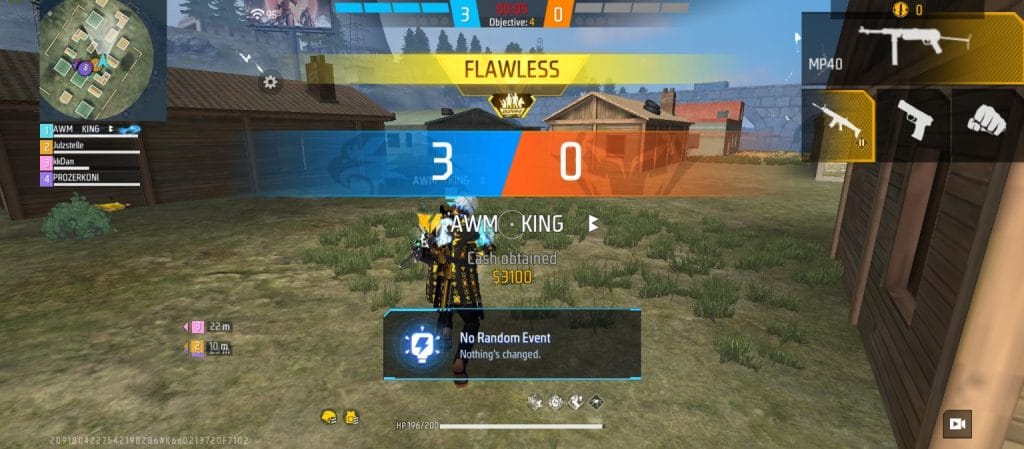
Hidden Professional Techniques
Using sound cues to pinpoint an enemy’s exact location, and treating the gloo wall as an offensive tool instead of just defense, these are things most players overlook.
Match Control
Keep the rhythm of the fight in your own hands, when to push, when to hold, that call should be yours, not the enemy’s.
Pressure Management
Staying calm when pressure’s on you, and turning that same pressure back on the enemy, that’s a pro level skill.
Tempo Control
Decide whether to end a fight fast or drag it out based on the situation, since the wrong tempo can turn an easy fight into a hard one.
Winning More Consistently
Consistency isn’t one big flashy play, it’s making small correct decisions over and over. That’s what actually raises your win rate long term.
Conclusion
Key Takeaways
Decision over aim, prediction over reaction, control over aggression, that’s what pro fighting strategy comes down to. Position, timing, and resource management all need to work together.
Final Pro Tips
Treat every fight as a chance to learn. When you lose, break down why. When you win, remember what you did right.
Practice Plan
Spend some time each week in custom rooms doing 1v1s and 1v2s, review your own gameplay recordings, and keep fixing small mistakes. Over time, that habit is what pushes you toward pro level.
Frequently Asked Questions (FAQ)
What is Pro Fighting Strategy in Free Fire?
It’s an approach that combines position, timing, and resources into a planned way of fighting, instead of relying on aim alone.
Is aim more important than strategy?
Aim matters, but without strategy it only gets you so far. A player with average aim who makes good decisions can still win.
How do pro players handle 1v3 situations?
They split the enemies apart, use movement, and isolate one player instead of facing all three at once.
What are the biggest fighting mistakes in Free Fire?
Panic decisions, predictable gameplay, and ignoring position advantage are the most common mistakes.
What is the best positioning during a fight?
A spot with cover, an escape route, and a full view of the enemy is the best position you can ask for.
How do I make better fight decisions under pressure?
Practice staying calm, and build the habit of making a quick plan before the fight starts, that helps you decide well even under pressure.